Signed in as:
filler@godaddy.com

At Scotland Child Therapy, our team of licensed therapists have years of experience helping children navigate life's challenges. We specialize in a wide range of areas, including anxiety, low mood, trauma, and attachment issues.

We offer a variety of evidence-based therapy services, including sand tray therapy, play therapy, and an integrative approach. We offer specialized services for children.
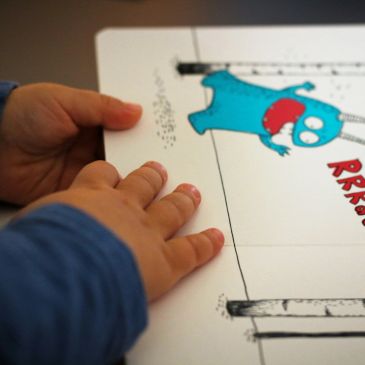
Our approach to therapy is rooted in empathy, compassion, and non-judgment. We strive to create a safe and supportive environment where our clients feel comfortable exploring their thoughts and feelings, and where they can develop the skills and tools they need to thrive.

Play therapy uses play as the child’s natural language and toys as their words. Through games, art, storytelling, and imaginative play, children can express feelings, work through challenges, and develop healthier coping skills. Play therapy is especially helpful for children who struggle to talk about their emotions or who communicate best through action and creativity. The therapist follows the child’s lead, creating a safe, accepting space where they can explore worries, build confidence, and strengthen emotional regulation.
Sandtray therapy offers children a gentle, creative way to express their inner world using sand and miniature objects. Instead of relying on words, children build scenes or stories that reflect their feelings, experiences, and worries. This hands‑on, sensory approach helps children feel safe and grounded, making it easier for them to explore emotions that may feel too big or confusing to talk about directly. The therapist supports the child’s process with curiosity and care, helping them make meaning from their creations in a way that feels natural and child‑led.
Psychodynamic therapy helps children understand how their past experiences, relationships, and unconscious feelings influence their current emotions and behaviour. Through talking, play, and creative expression, the therapist gently supports the child to explore deeper themes such as attachment, loss, fear, or unmet emotional needs. This approach focuses on helping children make sense of patterns in their feelings and relationships, giving them greater self‑awareness and emotional resilience. It is a reflective, relational style of therapy that unfolds at the child’s pace.
Integrative therapy combines different therapeutic approaches to meet the unique needs of each child. Rather than using one fixed method, the therapist draws from a range of evidence‑based practices—such as play therapy, creative work, cognitive strategies, and relational approaches—to create a flexible, personalised plan. This allows the therapist to respond to the child’s age, personality, developmental stage, and presenting difficulties. Integrative therapy is adaptable, child‑centred, and designed to support the whole child: emotionally, socially, and psychologically.